Why Your Family's Precious Memories Deserve Professional Care
Every family has that one photograph—tucked away in a drawer, corners worn soft by time, colors fading into sepia tones. Maybe it's your grandmother's wedding portrait, or your father as a young soldier, or a candid moment from a childhood summer that feels impossibly distant. These images hold more than just visual memories; they're tangible connections to our past, bridges between generations, and irreplaceable pieces of our family story.
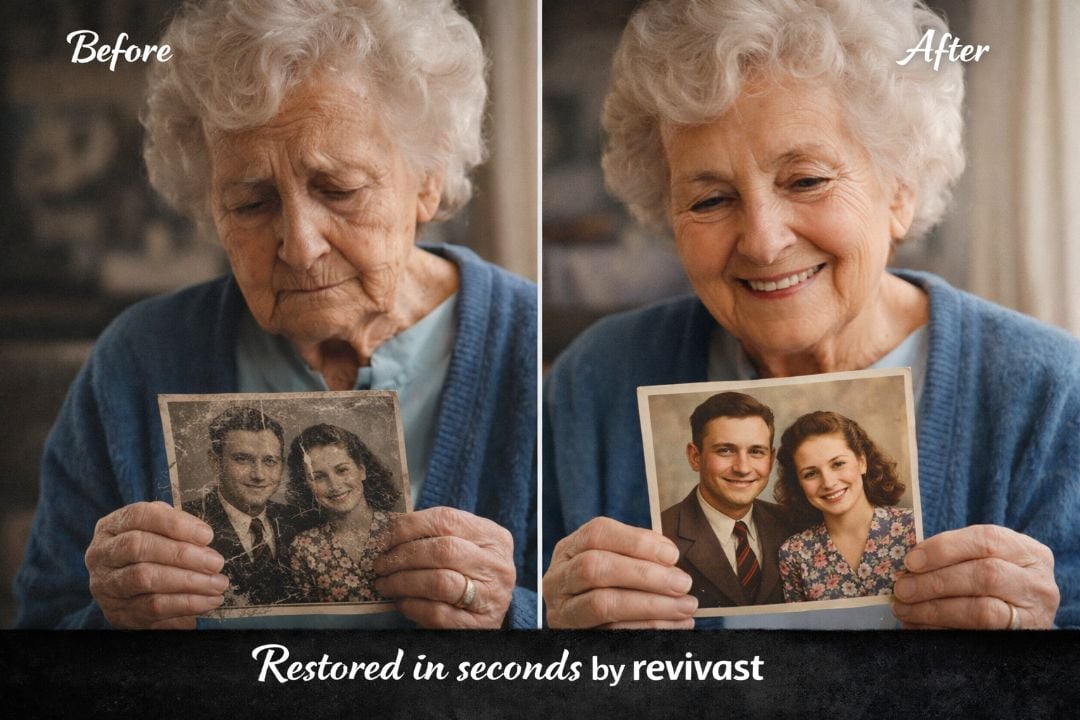
Restoring photographs isn't just about fixing damaged pictures—it's about preserving the emotional legacy they represent. When we lose these precious images to time, water damage, or simple wear and tear, we lose pieces of ourselves. But the good news is that with today's technology and proper restoration techniques, even severely damaged photographs can be brought back to life, allowing future generations to connect with their heritage in ways we never thought possible.
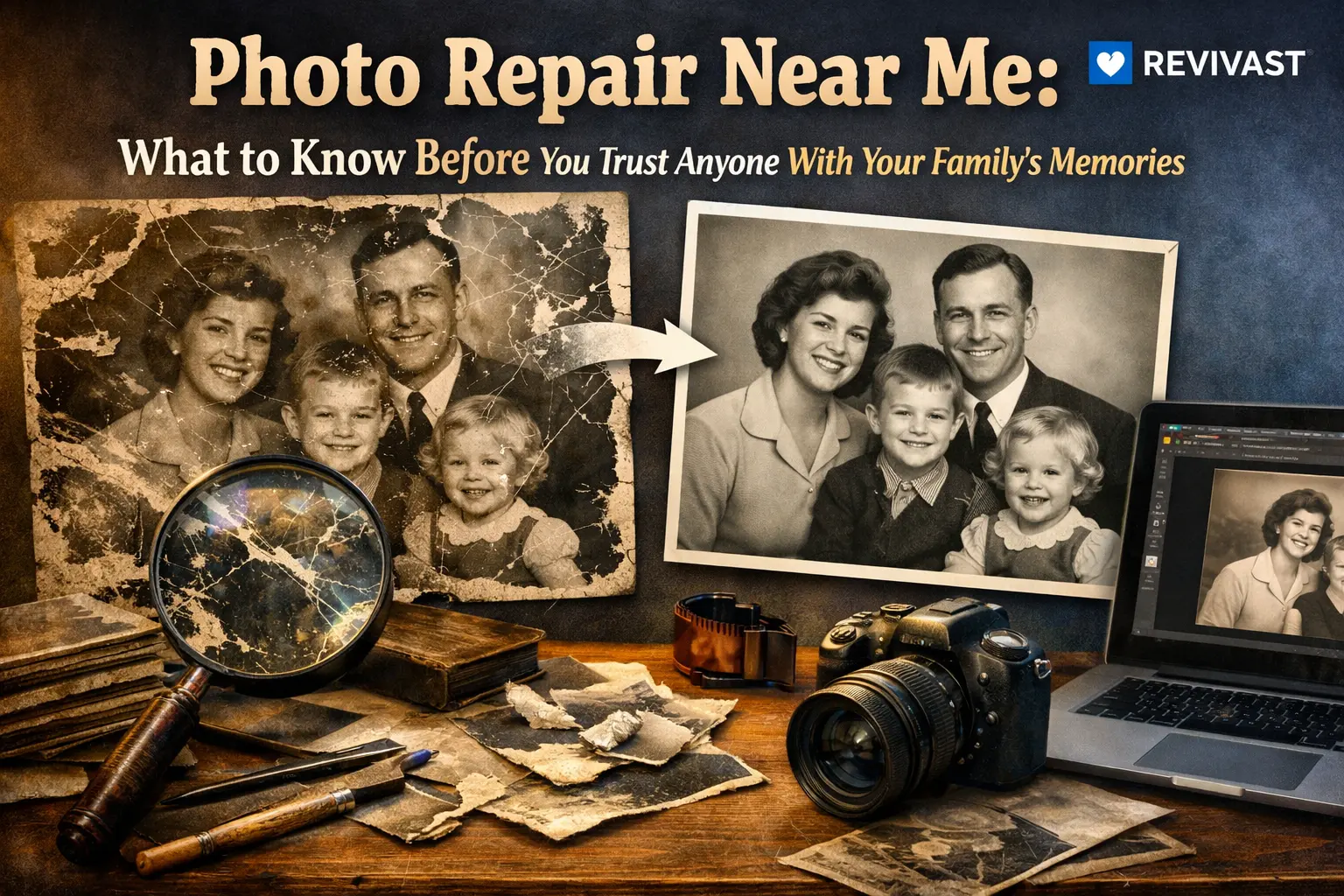
In this comprehensive guide, we'll explore everything you need to know about photograph restoration, from understanding different types of damage to choosing the right restoration approach for your treasured memories.
Understanding the Value of Family Photographs
More Than Just Pictures
Your family photographs serve as visual storytellers, capturing moments that shaped your family's history. That faded wedding photo from 1952 doesn't just show two people in formal wear—it represents the beginning of a love story that created your family tree. The scratched image of your grandfather's military unit tells a story of service, sacrifice, and brotherhood that deserves to be preserved for your grandchildren to understand.
Research shows that families who maintain visual connections to their past through photographs develop stronger family bonds and a clearer sense of identity. When children can see their great-grandparents as young adults, when they can observe family resemblances across generations, they develop a deeper appreciation for their heritage.
The Emotional Impact of Lost Memories
We've all experienced that sinking feeling when discovering a beloved photograph has been damaged. Whether it's water damage from a basement flood, tears from frequent handling, or simply the inevitable fading that comes with age, damaged photographs can feel like lost pieces of our hearts.
Consider Sarah, a 58-year-old teacher from Ohio, who discovered her mother's photo albums had been damaged in a pipe leak. Among the water-stained images was the only existing photo of her grandmother holding her as a baby—a connection she thought was lost forever. This scenario plays out in countless homes across America, where families face the heartbreak of potentially losing irreplaceable memories.
Common Types of Photograph Damage
Age-Related Deterioration
Time is perhaps the most common enemy of family photographs. Even when stored properly, images naturally deteriorate over decades.
Restoring photographs that show age-related damage typically involves addressing several issues:
- Fading colors: Color photographs from the 1960s through 1990s are particularly susceptible to color shifts and fading
- Yellowing: Black and white photos often develop a yellow or brown tint over time
- Brittleness: Older photo papers become fragile and prone to cracking
- Emulsion damage: The photographic emulsion can separate from the paper base, creating cloudy or missing areas
Physical Damage
Physical damage often tells its own story. Creases might indicate a photo that was lovingly carried in a wallet for years. Tears could result from children's eager hands wanting to see grandma's picture. Water damage might come from natural disasters or household accidents.
The most common types of physical damage include:
- Tears and rips: From handling or accidents
- Scratches: Often from storage in boxes with other items
- Stains: Water damage, food spills, or chemical reactions
- Missing pieces: Corners torn off or sections lost entirely
Environmental Damage
Poor storage conditions accelerate photograph deterioration. Attics, basements, and garages subject photos to temperature fluctuations, humidity, and potential water exposure. Even well-meaning storage in plastic bags can trap moisture and create perfect conditions for mold growth.
The Art and Science of Photograph Restoration
Traditional vs. Digital Restoration
Traditional photograph restoration involves working directly on the original image using chemical processes, careful cleaning, and sometimes hand-painting to restore colors. While this approach can be effective for certain types of damage, it's expensive, time-consuming, and carries the risk of further damaging irreplaceable originals.
Digital restoration has revolutionized the field. By creating high-resolution scans of damaged photographs, restoration experts can work on digital copies while keeping originals safe. This approach allows for more extensive repairs and the ability to create multiple versions—perhaps one that maintains the vintage look and another that's fully restored.
The Restoration Process
Professional photograph restoration follows a careful process designed to achieve the best possible results while preserving the image's authenticity:
Assessment and Planning: Every photograph requires individual evaluation. A restoration expert examines the type and extent of damage, the photo's age and original quality, and the desired outcome.
Digital Capture: High-resolution scanning captures every detail of the original, creating a digital foundation for restoration work.
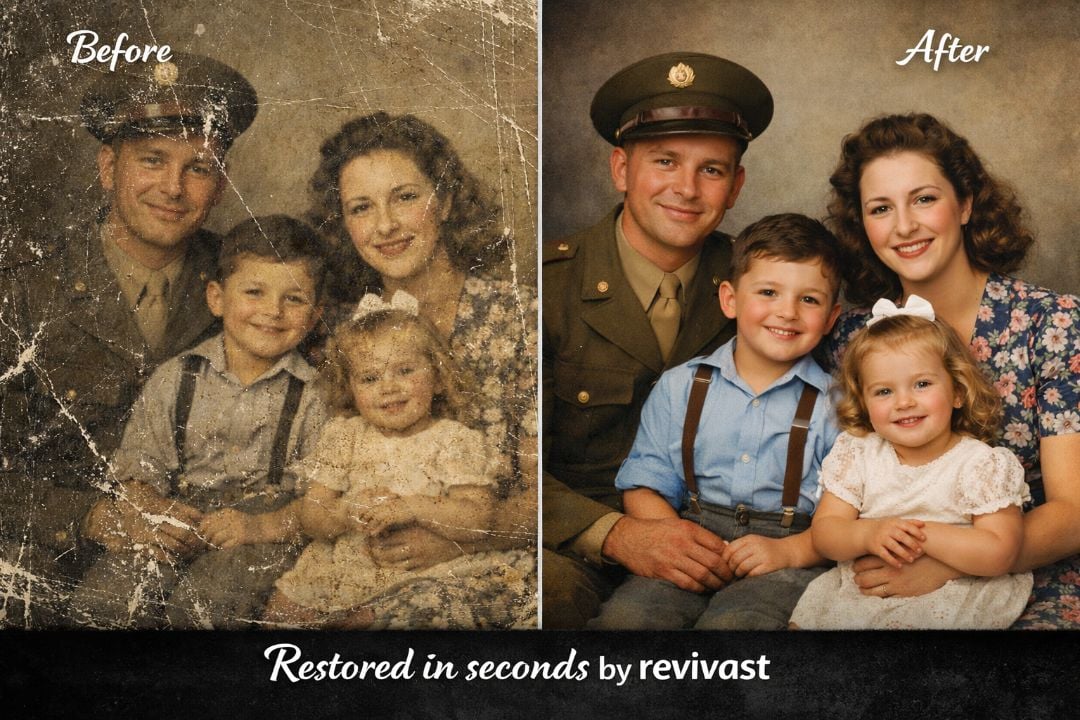
Damage Repair: Using specialized software, technicians carefully remove scratches, fill in missing areas, and repair tears. This process requires both technical skill and artistic judgment to ensure repairs look natural.
Color Correction and Enhancement: Faded colors are restored to their original vibrancy, contrast is improved, and overall image quality is enhanced while maintaining the photograph's authentic character.
What Can and Cannot Be Restored
Modern restoration techniques can achieve remarkable results, but it's important to have realistic expectations. Photographs with good bone structure—where faces and important details are still visible—can often be restored to near-original quality. Even severely damaged images can usually be significantly improved.
However, restoration cannot create detail that was never there. If a face is completely obscured by damage, restoration can clean up surrounding areas but cannot recreate facial features from nothing. The key is working with what exists in the original image.
Choosing the Right Restoration Approach
Assessing Your Photographs
Before beginning any restoration project, carefully evaluate each photograph's condition and importance. Consider these factors:
Sentimental value: Is this the only existing copy? Does it show family members who have passed away? Is it tied to important family milestones?
Current condition: How extensive is the damage? Are the main subjects still clearly visible? Is the damage getting worse over time?
Intended use: Do you want to display the restored image? Create prints for family members? Include it in a family history project?
Different Levels of Restoration
Not every photograph needs extensive restoration. Understanding the different levels available helps you make appropriate choices for your budget and goals:
Basic restoration addresses simple issues like dust removal, minor scratch repair, and basic color correction. This level is perfect for photographs in relatively good condition that need light touching up.
Comprehensive restoration tackles more significant damage, including major tears, missing sections, and severe fading. This approach is ideal for important family photographs that have suffered noticeable damage but retain good structural integrity.
Extensive restoration handles severely damaged photographs requiring reconstruction of missing areas, major color work, and detailed repair. This level is reserved for irreplaceable images that have suffered significant damage but hold tremendous sentimental value.
The Role of Colorization
Adding color to black and white photographs can breathe new life into old family images. When done skillfully, colorization helps modern family members connect more easily with ancestors, making them feel more real and relatable.
However, colorization should be approached thoughtfully. Research into period-appropriate colors, clothing styles, and even family coloring can help ensure accuracy. Many families choose to keep one version in original black and white while creating a colorized version for display.
Preserving Your Restored Photographs
Digital Preservation
Once your photographs have been restored, protecting these digital files becomes crucial. Create multiple backup copies stored in different locations—cloud storage, external hard drives, and even burned to archival-quality DVDs.
Organize your digital collection with clear file names and folder structures. Include dates, names of people pictured, and locations when known. This information becomes invaluable for future generations trying to understand their family history.
Physical Storage Best Practices
If you choose to print your restored photographs, proper storage protects your investment. Use acid-free boxes and folders, avoid magnetic photo albums, and store prints in cool, dry locations away from direct sunlight.
Consider creating a family photo archive with both originals and restored versions clearly labeled. This approach ensures that future generations understand what they're looking at while preserving both historical accuracy and visual appeal.
The Technology Behind Modern Restoration
Artificial Intelligence and Machine Learning
Today's restoration technology leverages artificial intelligence to achieve results that would have been impossible just a few years ago. AI can analyze damaged areas and intelligently fill in missing details based on patterns it recognizes from millions of other photographs.
This technology excels at tasks like removing dust and scratches, correcting color shifts, and even enhancing facial details that have become unclear over time. While AI cannot replace human judgment and artistic skill, it provides powerful tools that make high-quality restoration more accessible and affordable.
The Human Touch
Despite technological advances, the best restoration results still require human expertise. Experienced technicians understand family dynamics, historical context, and artistic principles that ensure restored photographs look natural and authentic.
The combination of AI efficiency with human oversight creates the ideal restoration environment—fast, affordable, and high-quality results that honor the original image's integrity.
Making Restoration Accessible
Breaking Down Traditional Barriers
Historically, professional photograph restoration was expensive and time-consuming, often costing $50-200 per image and requiring weeks or months to complete. This put quality restoration out of reach for many families, forcing them to either accept damaged photographs or attempt inadequate DIY solutions.
Modern technology has changed this equation dramatically.
Restoring photographs can now be accomplished quickly and affordably while maintaining professional quality standards.
Revivast: Democratizing Photo Restoration
At Revivast, we believe every family deserves access to professional-quality photo restoration. Our AI-powered platform combines cutting-edge technology with human expertise to deliver exceptional results at a fraction of traditional costs.
Our process is designed with families in mind—especially seniors who may not be comfortable with complicated technology. Simply visit our restoration page at https://revivast.com/restore, upload your photograph from your phone or computer, and our AI analyzes the damage to recommend the appropriate restoration level.
What makes Revivast different?
- No account required: Start restoring immediately without complicated sign-up processes
- Transparent pricing: Standard restoration is included in our base price, with clear add-on options for advanced restoration (+$9.99), premium restoration (+$19.99), and colorization (+$14.99-$19.99)
- Instant results: Download your restored photograph immediately after payment
- Print options: Order professional prints and frames directly through our platform
- Senior-friendly interface: Simple, clear navigation that doesn't require technical expertise
Whether you need basic dust removal or comprehensive restoration of a severely damaged family heirloom, Revivast provides professional-quality results at prices that make sense for families.
Frequently Asked Questions
How much does professional photo restoration cost?
Traditional photo restoration studios typically charge $25-100 per photograph, depending on the extent of damage and complexity of repairs needed. However, modern AI-powered services like Revivast offer professional-quality restoration starting at much lower prices, with transparent add-on pricing for advanced features like colorization and premium restoration.
Can severely damaged photographs be restored?
Yes, even photographs with significant damage can often be dramatically improved. As long as the main subjects are still partially visible, skilled restoration can repair tears, fill in missing sections, and restore faded colors. The key is having realistic expectations—restoration enhances what exists rather than creating entirely new content.
Should I restore the original photograph or work from a copy?
Always work from high-quality scans rather than the original photograph. This approach protects your irreplaceable original while allowing for extensive digital restoration work. Professional services scan your original at high resolution, then perform all restoration work on the digital copy.
How long does photo restoration take?
Traditional restoration can take weeks or months, but modern AI-powered services can complete most restoration projects in minutes to hours. The timeline depends on the complexity of damage and the level of restoration required.
Will my restored photograph look authentic or obviously edited?
Professional restoration should enhance your photograph while maintaining its authentic character. The goal is to return the image to how it originally looked, not to create an obviously modern or artificial appearance. Skilled restoration preserves the photograph's historical integrity while improving its visual quality.
Preserving Your Family Legacy
Your family photographs represent irreplaceable connections to your past and precious gifts for future generations. Every restored image is a story preserved, a memory rescued from the passage of time, and a bridge between generations that might otherwise lose touch with their heritage.
Restoring photographs isn't just about fixing damaged pictures—it's about honoring the people and moments that shaped your family's story. When you invest in restoration, you're investing in your family's future, ensuring that your grandchildren and great-grandchildren can see their ancestors as real people with real lives, real love, and real stories worth remembering.
Don't let time steal these precious memories. Whether you have a single treasured photograph or an entire collection needing attention, professional restoration can bring your family's visual history back to life. Start preserving your legacy today by visiting https://revivast.com/restore and discovering how easy and affordable it can be to rescue your most precious memories.