Why Old Photo Restoration Matters More Than Ever
Every family has that one photograph—tucked away in a drawer, corners worn soft by time, colors fading into sepia tones. Maybe it's your grandmother's wedding portrait, or your father as a young soldier, or a candid moment from a childhood summer that feels impossibly distant. These precious memories, captured on fragile paper and film, hold stories that no amount of digital photography can replace.
In our rush toward the digital future, we often forget that our most treasured family photographs are slowly deteriorating. Each passing year brings new scratches, deeper fading, and more damage to these irreplaceable windows into our past. The good news? Old photo restoration has never been more accessible, affordable, or effective than it is today.
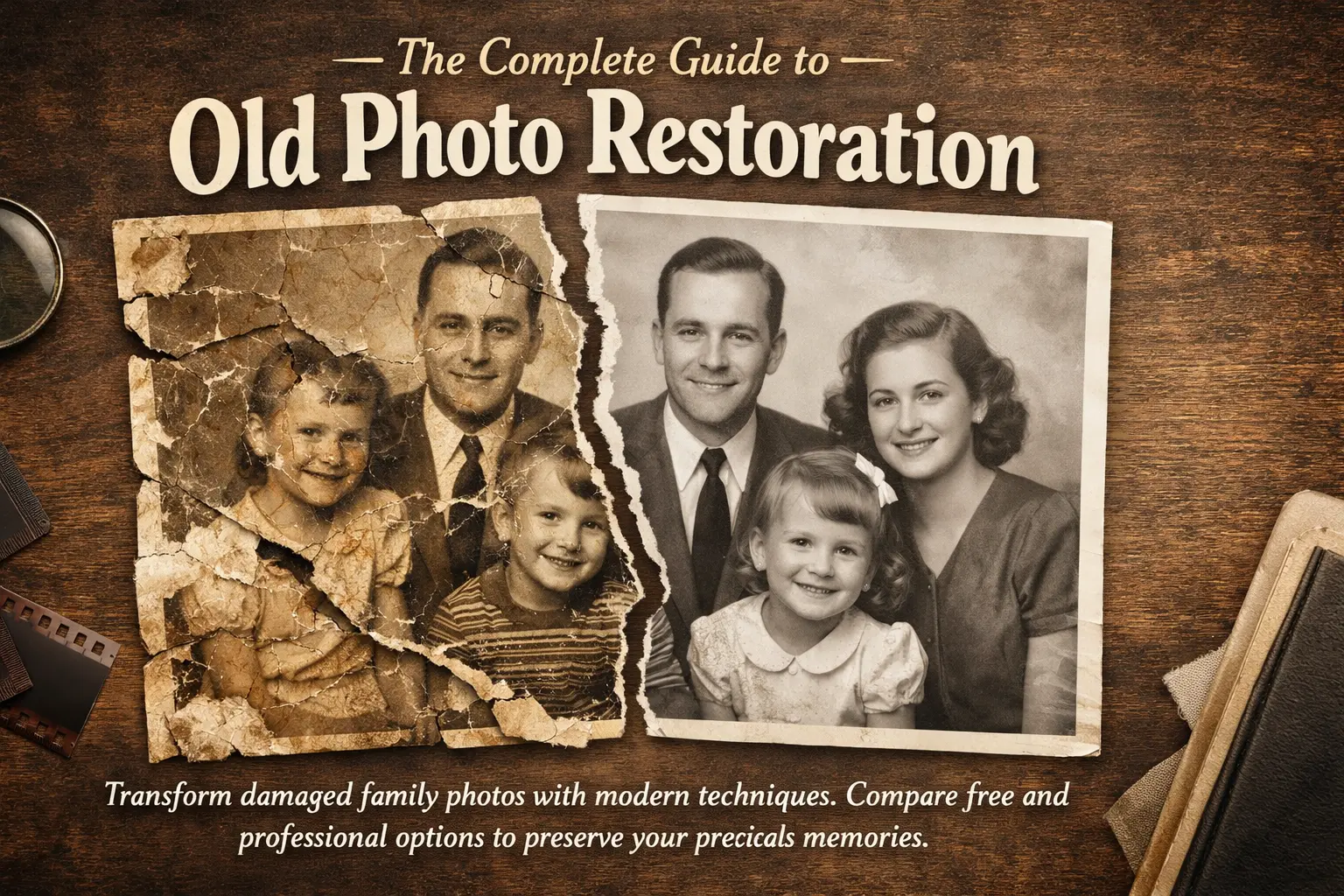
Whether you're dealing with water damage from a basement flood, scratches from decades of handling, or simply the natural aging process that affects all photographs, modern restoration techniques can breathe new life into your cherished memories. This comprehensive guide will walk you through everything you need to know about restoring old photographs, from understanding the damage to choosing the right restoration method for your precious family heirlooms.
Understanding Photo Damage: What Happens to Old Photographs Over Time
Before diving into restoration options, it's important to understand what causes photographs to deteriorate. This knowledge helps you make informed decisions about the best restoration approach for your specific photos.
Common Types of Photo Damage
Fading and Discoloration: Perhaps the most common issue affecting old photographs is color fading. Over time, the chemical compounds in photo paper break down, causing colors to shift toward yellow, brown, or sepia tones. This process is accelerated by exposure to light, heat, and humidity.
Physical Damage: Scratches, tears, and creases often occur from handling, poor storage, or accidents. These physical marks can range from minor surface scratches to deep gouges that remove portions of the image entirely.
Water Damage: Floods, leaks, or high humidity can cause photographs to stick together, develop water stains, or suffer from mold and mildew damage. Water damage is particularly devastating because it can affect both the image and the structural integrity of the photo.
Chemical Deterioration: Old photographs, especially those developed using older chemical processes, can suffer from what's called "foxing"—brown spots that appear due to chemical reactions within the photo paper itself.
Why Time is of the Essence
Photo damage is progressive, meaning it gets worse over time. A small scratch today might become a larger tear tomorrow. Fading continues gradually but relentlessly. This is why old photo restoration becomes more important—and more challenging—the longer you wait.
Modern Solutions: How AI is Revolutionizing Old Photo Restoration
The world of old photo restoration AI has transformed dramatically in recent years. What once required expensive professional services and weeks of painstaking manual work can now be accomplished with remarkable speed and accuracy using artificial intelligence.
The Power of AI in Photo Restoration
Modern AI algorithms can analyze damaged photographs and intelligently fill in missing information, remove scratches and stains, and even predict what faded colors might have originally looked like. This technology learns from millions of photographs, understanding patterns of damage and developing sophisticated methods to reverse them.
For families dealing with damaged photographs, this means several important advantages:
- Speed: What used to take professional restorers days or weeks can now be accomplished in minutes or hours
- Affordability: AI-powered restoration costs a fraction of traditional professional services
- Accessibility: You don't need to travel to find a skilled restorer or worry about shipping precious originals
- Consistency: AI provides predictable, high-quality results without the variability of human skill levels
When AI Excels vs. When Human Touch is Needed
AI-powered old photo restoration online services work exceptionally well for common types of damage: dust removal, scratch repair, basic color correction, and clarity enhancement. However, severely damaged photos or those requiring creative interpretation may still benefit from human expertise combined with AI assistance.
Exploring Your Options: Free vs. Professional Restoration Services
When searching for old photo restoration online free options, you'll find a range of choices, each with distinct advantages and limitations.
Free Online Restoration Tools
Several platforms offer basic restoration services at no cost. These typically include:
- Simple scratch and dust removal
- Basic color correction
- Brightness and contrast adjustments
- Minor blemish removal
While these free tools can be helpful for minor issues, they often have significant limitations. Image quality may be reduced, processing options are limited, and the results might not meet your expectations for treasured family photographs.
Professional AI-Powered Services
Professional services that combine AI technology with quality controls offer a middle ground between free basic tools and expensive traditional restoration. These services typically provide:
- Multiple restoration levels based on damage severity
- High-resolution output suitable for printing
- Additional services like colorization
- Quality guarantees and customer support
The investment in professional restoration often pays dividends when you consider the emotional value of the photographs and the quality of results you'll receive.
Finding the Best Free Old Photo Restoration Online
If you're looking for the best free old photo restoration online options, it's important to understand what to expect and how to evaluate your choices.
What to Look for in Free Services
When evaluating free restoration options, consider these factors:
- Ease of Use: The interface should be intuitive, especially for seniors who may not be comfortable with complex technology
- No Registration Requirements: The best services allow you to try restoration without creating accounts or providing personal information
- Quality Previews: You should be able to see results before committing to download
- File Format Support: Ensure the service accepts your photo format and provides high-quality output
- Processing Speed: Free services shouldn't keep you waiting excessively for results
Realistic Expectations for Free Services
Free old photo restoration online tools work best for:
- Photos with minor damage
- Simple dust and scratch removal
- Basic color enhancement
- Quick preview of what professional restoration might achieve
For family heirlooms or severely damaged photographs, investing in professional restoration often provides significantly better results and peace of mind.
The Convenience of Old Photo Restoration Online Free Without Login
One of the most appealing aspects of modern restoration services is the ability to restore photos without the hassle of creating accounts or remembering passwords. Old photo restoration online free without login options respect your privacy and provide immediate access to restoration tools.
Why No-Login Services Matter
For many people, especially seniors, the requirement to create accounts and remember login credentials creates unnecessary barriers to accessing restoration services. No-login services offer several advantages:
- Immediate Access: Start restoring photos right away without delays
- Privacy Protection: No need to share personal information or worry about data collection
- Simplicity: Fewer steps mean less confusion and frustration
- Accessibility: Perfect for people who rarely use online services
How No-Login Services Work
Modern no-login restoration services often use innovative approaches like magic links sent to your email, allowing you to access your restored photos later without maintaining an account. This provides the convenience of account-free access while still offering a way to retrieve your work.
Choosing the Right Restoration Level for Your Photos
Not all damaged photographs require the same level of restoration. Understanding the different levels available helps you make cost-effective decisions while ensuring your photos receive appropriate care.
Standard Restoration
Standard restoration addresses common issues that affect most old photographs:
- Light wear and aging effects
- Dust and dirt removal
- Basic scratch repair
- Natural clarity enhancement
This level works well for photographs that have been reasonably well-preserved but show typical signs of aging.
Advanced Restoration
Advanced restoration tackles more significant damage while maintaining natural-looking results:
- Moderate damage repair
- Enhanced facial detail recovery
- Soft discoloration correction
- More sophisticated scratch and tear repair
Choose advanced restoration for photographs with noticeable damage that affects the viewing experience but aren't completely deteriorated.
Premium Restoration
Premium restoration provides the highest level of care for your most precious photographs:
- Heavy damage repair
- Reconstruction of missing image areas
- Special attention to important details
- Optimal results for gift-giving or heirloom preservation
This level is ideal for irreplaceable family photographs or images you plan to frame and display prominently.
The Magic of Colorization: Bringing Black and White Photos to Life
One of the most emotionally powerful aspects of modern old photo restoration is the ability to add natural, historically accurate colors to black and white photographs.
How Modern Colorization Works
AI-powered colorization analyzes black and white photographs and applies colors based on historical knowledge, contextual clues, and sophisticated algorithms. The technology considers factors like:
- Skin tone variations
- Historical accuracy for clothing and objects
- Natural color relationships
- Lighting and shadow effects
The Emotional Impact of Colorization
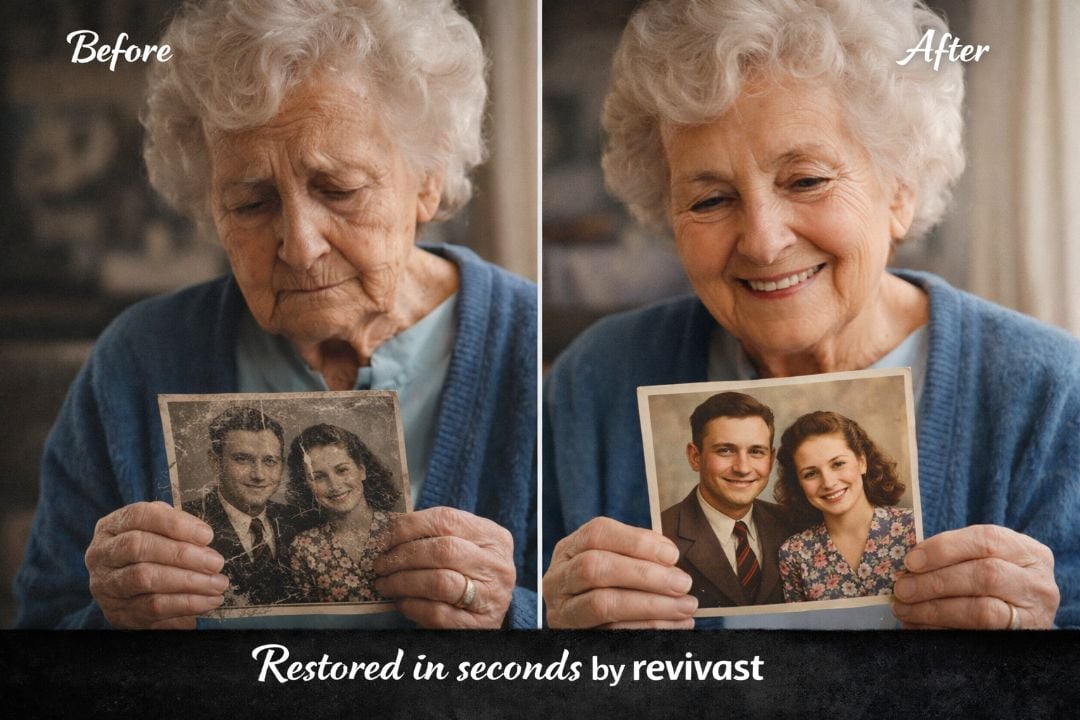
Adding color to old family photographs often creates profound emotional responses. Seeing a grandparent's eyes in their natural blue, or discovering the rich brown of a father's hair, can make historical figures feel more immediate and real. Many families report that colorized photos help younger generations connect more deeply with their family history.
Preparing Your Photos for the Best Restoration Results
While modern AI can work wonders with damaged photographs, taking a few simple steps before uploading can improve your results significantly.
Scanning and Photography Tips
If you're working with physical photographs, the quality of your digital copy affects restoration results:
- Use Good Lighting: Photograph originals in bright, even light to capture maximum detail
- Avoid Reflections: Glossy photos can create glare that interferes with restoration algorithms
- Capture the Full Image: Include the entire photograph, even damaged edges
- Use Highest Resolution: Higher resolution provides more information for restoration algorithms to work with
Handling Fragile Originals
When dealing with severely damaged originals, handle them carefully:
- Use clean, dry hands or cotton gloves
- Support the entire photograph when moving it
- Avoid attempting to separate stuck photos yourself
- Work in a clean, stable environment
Beyond Restoration: Printing and Preserving Your Renewed Memories
Once your photographs have been restored, consider how you'll preserve and share these renewed memories.
Professional Printing Options
Restored digital files open up numerous possibilities for sharing and displaying your photographs:
- Traditional Prints: High-quality photo prints for albums and frames
- Canvas Prints: Elegant wall displays that showcase restoration work
- Photo Books: Professional compilations perfect for family gifts
- Digital Sharing: Easy distribution to family members worldwide
Long-term Preservation
Protect your investment in restoration by properly preserving both originals and restored versions:
- Store originals in acid-free, archival materials
- Keep digital files backed up in multiple locations
- Consider cloud storage for additional security
- Share copies with family members to distribute preservation responsibility
Making the Investment: Understanding Restoration Costs
While free options exist, understanding the value proposition of professional restoration helps you make informed decisions about your family's photographic heritage.
Comparing Costs and Value
Traditional photo restoration services often charge $25-100 per photograph, making professional restoration expensive for families with multiple damaged photos. Modern AI-powered services provide professional-quality results at a fraction of this cost, typically ranging from basic restoration included in reasonable base pricing to premium services for severely damaged photographs.
When to Invest in Professional Services
Consider professional restoration for:
- Irreplaceable family heirlooms
- Photos intended as gifts
- Images with significant emotional value
- Photographs you plan to display or frame
- Pictures requiring colorization
The relatively small investment often pays tremendous dividends in emotional satisfaction and family connection.
Real Stories: The Impact of Photo Restoration on Families
The true value of old photo restoration becomes clear when you hear from families who have experienced the transformation firsthand.
Sarah from Michigan shared how restoring her grandmother's wedding photo became the centerpiece of a family reunion: "We had this beautiful photo, but it was so faded and scratched that you could barely make out the faces. After restoration, it was like meeting my grandmother for the first time. The whole family gathered around, and suddenly everyone was sharing stories about her that I'd never heard before."
These stories illustrate how restored photographs often become catalysts for family connection, storytelling, and the preservation of family history that might otherwise be lost.
The Future of Photo Restoration Technology
As AI technology continues to advance, the possibilities for old photo restoration expand dramatically. Future developments may include:
- Even more sophisticated damage repair capabilities
- Improved colorization accuracy
- Enhanced detail recovery from severely damaged images
- Integration with genealogy and historical databases for context-aware restoration
For families with damaged photographs, this means that even images that seem beyond repair today may be salvageable in the near future.
Taking Action: Your Next Steps
If you have old photographs that could benefit from restoration, the best time to act is now. Damage continues to progress over time, and the sooner you preserve these memories, the better the results will be.
Start by gathering your damaged photographs and assessing their condition. Consider which images hold the most emotional significance for your family. These are often the best candidates for professional restoration services that can provide the quality and care these precious memories deserve.
For families ready to begin the restoration process, services like Revivast offer the perfect combination of AI-powered technology, professional quality, and user-friendly accessibility. With no account required and instant access to restoration tools, you can begin preserving your family's photographic heritage today.
Remember, these photographs represent irreplaceable connections to your family's history. The stories they tell, the faces they preserve, and the moments they capture are gifts that can be passed down through generations—but only if we take action to preserve them now.
Don't let another day pass watching your precious memories fade away. Start your photo restoration journey today and give your family the gift of beautifully preserved memories that will last for generations to come.